Waking up with a parched mouth or struggling to speak without sipping water can be more than a minor annoyance. If dry mouth isn’t managed, it can affect comfort, confidence, and oral health, often leading to issues like cavities or bad breath. Patients frequently wonder why it happens and what can be done to relieve it. If you’re looking for guidance from a trusted dentist in Walnut Creek, CA, here’s a closer look at the causes, symptoms, and treatment options that can restore moisture and protect your smile.
Understanding Dry Mouth
Dry mouth, also known as xerostomia, occurs when your salivary glands don’t produce enough saliva to keep the mouth moist. Saliva isn’t just for comfort; it helps wash away food particles and neutralizes acids, protecting against tooth decay while keeping tissues healthy. Without adequate saliva, the risk of cavities, gum problems, and difficulty chewing or swallowing rises.
Common Causes of Dry Mouth
Medications
One of the most frequent causes of dry mouth is medication use. More than 400 prescriptions list reduced saliva flow as a side effect. Antihistamines, antidepressants, and blood pressure drugs are common culprits. Even everyday over-the-counter medications such as allergy tablets, decongestants, and some pain relievers may contribute. Patients who take multiple prescriptions are especially prone to experiencing chronic dryness.
Medical Conditions
Dry mouth often accompanies chronic health conditions. Diabetes can reduce saliva flow, while Alzheimer’s disease may interfere with the ability to sense or respond to dryness. Autoimmune conditions such as Sjögren’s syndrome directly attack salivary glands, making dryness a persistent issue. Patients undergoing chemotherapy or radiation—particularly to the head and neck—also frequently experience long-lasting dry mouth as a side effect of treatment.
Dehydration
Inadequate hydration is another common factor. Not drinking enough water throughout the day leaves the mouth dry, and physical exertion that causes heavy sweating makes matters worse. Illnesses that bring fever, vomiting, or diarrhea also drain body fluids and can temporarily reduce saliva. Even lifestyle factors like working outdoors in hot climates or engaging in intense exercise may increase the risk of dry mouth.
Lifestyle Habits
Certain lifestyle choices directly reduce saliva production. Smoking and vaping are known to irritate salivary glands, while frequent alcohol use dehydrates the mouth. High caffeine intake, such as drinking multiple cups of coffee, sodas, or energy drinks daily, can have the same effect. Recreational drug use, including marijuana, is also linked with persistent oral dryness.

Recognizing the Symptoms
Dry mouth symptoms may vary in intensity but often include:
- Constant thirst or the urge to sip water
- Sticky or thick saliva
- Difficulty chewing, swallowing, or speaking
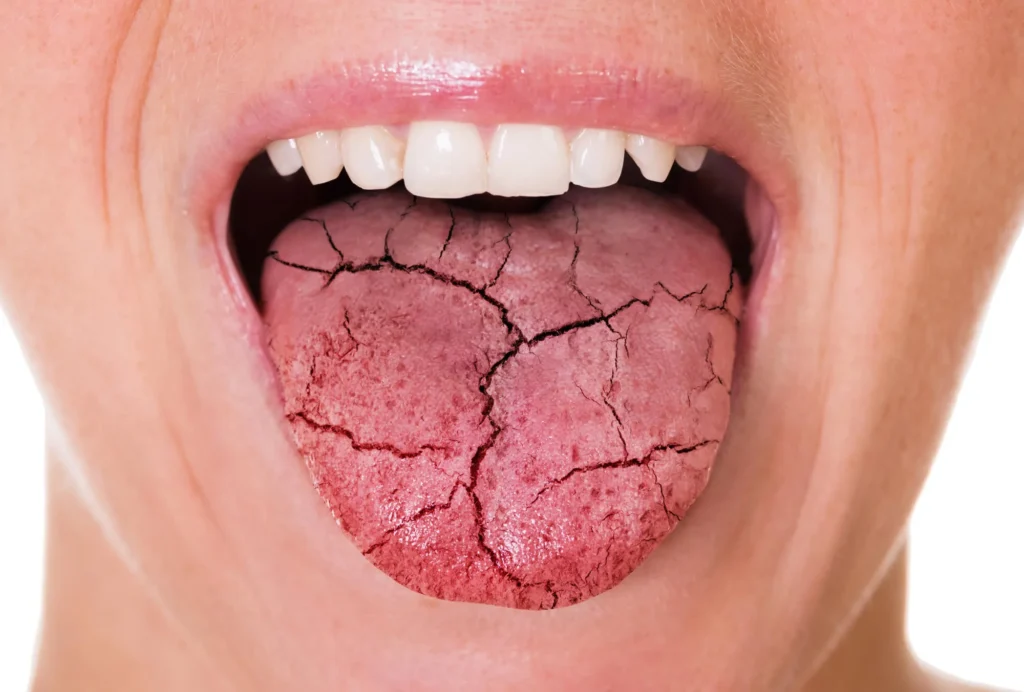
- A dry, rough tongue
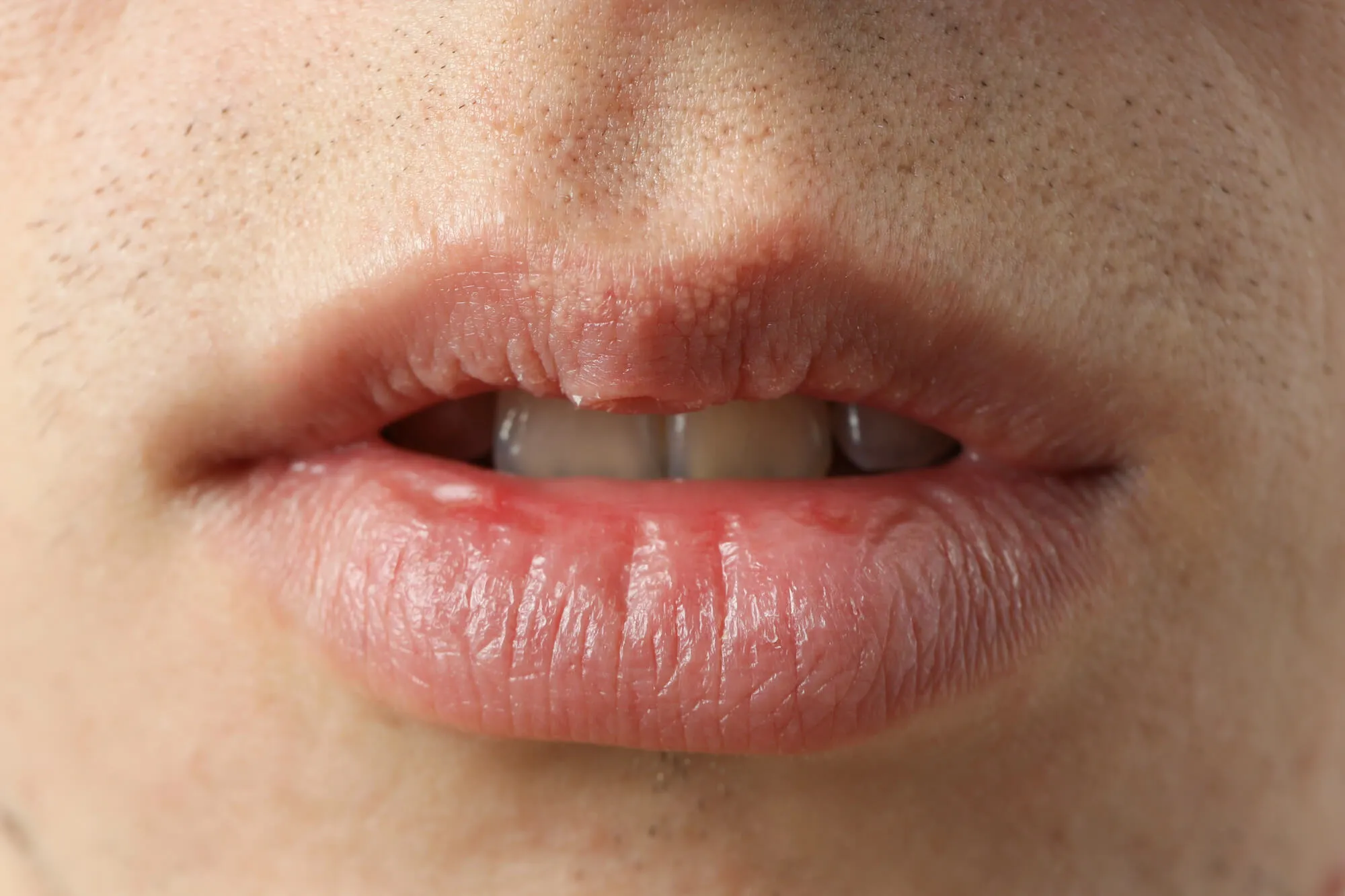
- Cracked lips or mouth sores
- A burning sensation in the mouth
Patients may also notice that foods taste different or that swallowing certain textures becomes more difficult. These changes highlight why dry mouth isn’t simply uncomfortable—it can affect nutrition, speech, and confidence.
Why Dry Mouth Matters for Your Oral Health
Higher Risk of Cavities
Saliva is essential for keeping teeth healthy. It washes away food particles and neutralizes acids that cause enamel breakdown. When saliva production is reduced, bacteria multiply quickly, increasing the chance of cavities. Patients with chronic dry mouth often notice decay appearing in places that were previously healthy, such as along the gumline or edges of fillings.
Gum Health Concerns
Healthy gums rely on saliva for constant cleansing and lubrication. A dry environment leaves gums vulnerable to irritation and swelling. Over time, this irritation may progress to gum infections, which can cause tenderness or bleeding when brushing and flossing. Without adequate saliva, even minor gum issues can develop faster.
Bad Breath
Saliva helps rinse away bacteria that cause bad breath. When the mouth is dry, bacteria accumulate on the tongue, cheeks, and teeth. This buildup creates persistent odors that brushing alone may not fully remove. Chronic halitosis is often one of the first noticeable signs of dry mouth.
Mouth Infections
Low saliva levels create conditions where fungal infections thrive. Oral thrush, caused by yeast overgrowth, is more common in people with chronic dry mouth. It can cause white patches, soreness, and difficulty eating. Professional care is usually needed to clear the infection.
Effective Treatments for Dry Mouth
Hydration and Lifestyle Adjustments
The first line of defense is increasing fluid intake. Sipping water frequently throughout the day can ease symptoms. Limiting alcohol, caffeine, and tobacco use also supports saliva production.
Saliva-Stimulating Solutions
Chewing sugar-free gum or using sugar-free lozenges encourages the salivary glands to produce more moisture. Dentists may recommend products containing xylitol, which also helps reduce cavity risk.
Over-the-Counter Aids
Moisturizing mouth rinses, sprays, and gels provide temporary relief. Look for alcohol-free rinses designed for dry mouth, as alcohol can worsen symptoms.
Prescription Treatments
For persistent dryness, dentists or physicians may prescribe medications that stimulate saliva flow. These options are especially helpful for patients with chronic conditions affecting salivary glands.
Professional Fluoride Treatments
Dentists may recommend fluoride varnishes or rinses to strengthen enamel and protect teeth from decay caused by reduced saliva.
Preventive Care and At-Home Strategies
Practice Good Oral Hygiene
Brushing twice daily with fluoride toothpaste and flossing carefully helps manage bacteria levels. Patients with dry mouth should be especially diligent about maintaining a clean oral environment.
Adjust Diet Choices
Eating crunchy fruits and vegetables like apples or celery can help stimulate saliva. Avoiding sticky, sugary foods limits bacterial growth and cavity risk.
Manage Medications with Your Doctor
If medications are causing dry mouth, ask your doctor if alternatives are available. Sometimes adjusting dosage or switching medications can reduce symptoms without sacrificing effectiveness.

When to See a Dentist in Walnut Creek, CA
Occasional dryness from dehydration or stress is common, but persistent dry mouth is a sign you should seek professional care. A dentist can evaluate your oral health, identify underlying causes, and recommend targeted solutions. Chronic dryness is not just inconvenient; it can damage teeth and gums over time if not addressed.
At Coliseum Dental Walnut Creek, we understand that a comfortable smile is just as important as a healthy one. Our team takes the time to identify what’s causing dry mouth and offer personalized care that restores balance. Whether you need preventive strategies, fluoride treatments, or advanced care tailored to medical conditions, we’re here to help.
Schedule an appointment today and let us guide you toward lasting relief and better oral health.