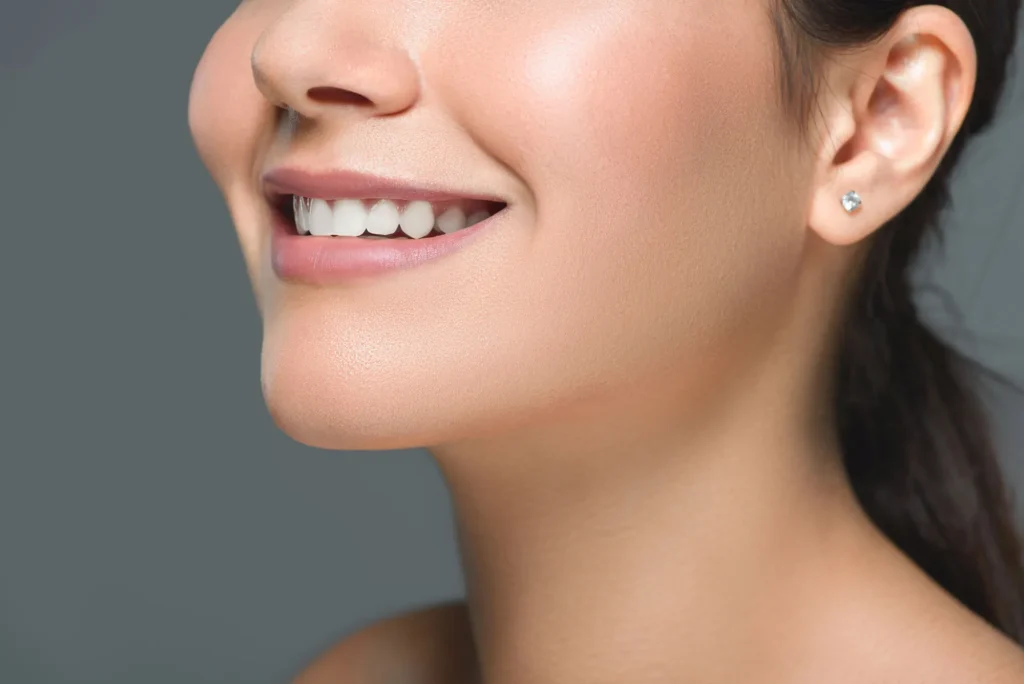
Changes in tooth color can develop gradually or appear over time due to daily habits, aging, or internal factors. Some stains remain light and surface-level, while others settle deeper within the tooth structure. This difference plays a major role in how teeth respond to whitening treatments.
Understanding the type of discoloration present helps set clear expectations and supports better planning. So if you’re considering teeth whitening in Walnut Creek, you can benefit from knowing whether their stains are likely to respond quickly or require a more tailored approach.
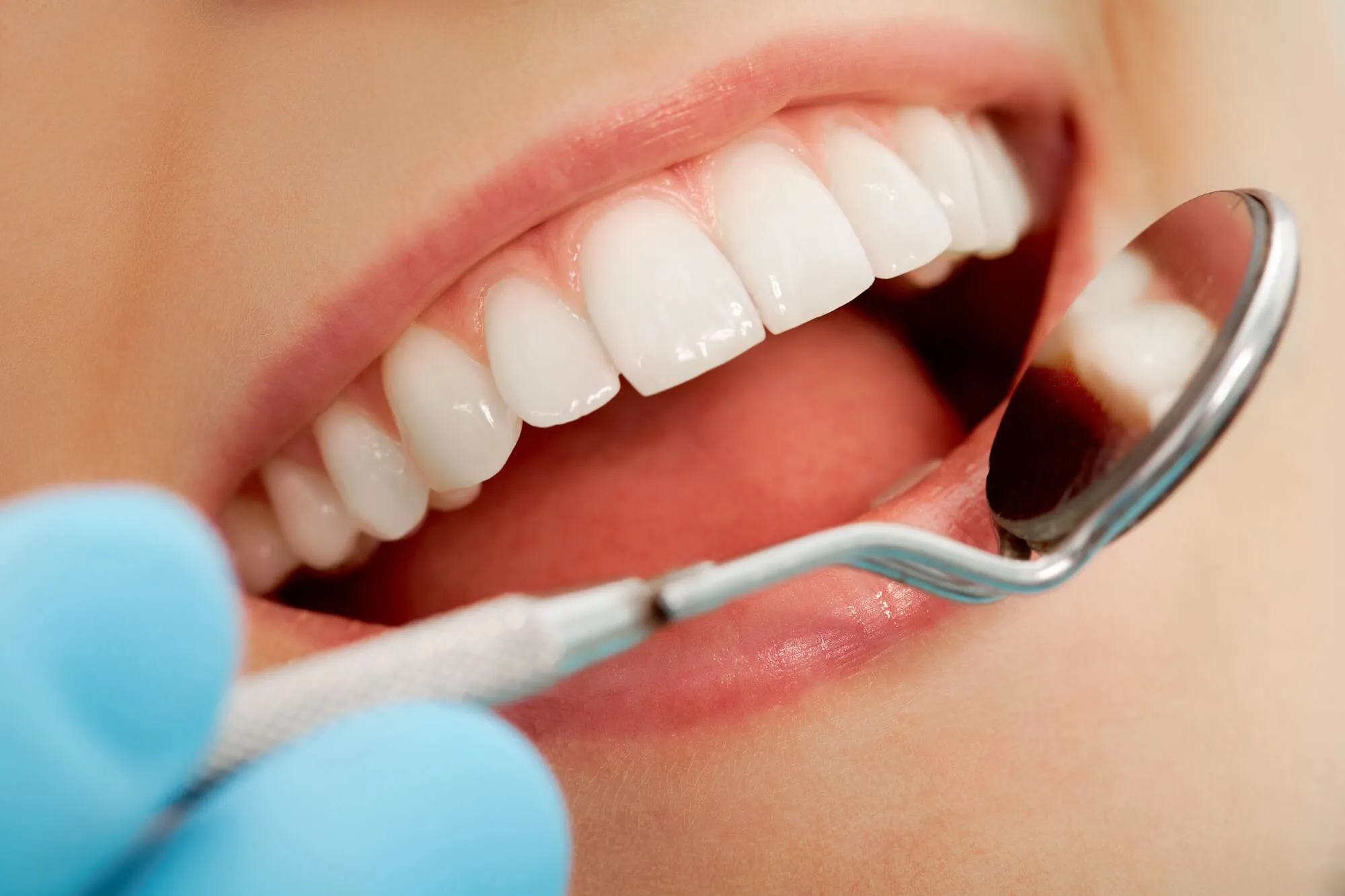
Understanding the Different Types of Teeth Stains
Tooth discoloration is generally grouped into three categories: extrinsic, intrinsic, and age-related. Each type forms differently and responds to whitening in its own way.
Extrinsic Stains (Surface-Level Discoloration)
Extrinsic stains develop on the outer enamel layer. These are commonly linked to everyday habits and tend to build up gradually over time.
Common causes include:
- Coffee, tea, and red wine
- Tobacco use
- Dark-colored foods such as berries or sauces
- Inconsistent brushing and flossing habits
These stains often appear yellow, brown, or slightly dull. Since they sit on the surface, they are typically the most responsive to whitening treatments.
Professional whitening breaks down stain particles within the enamel, allowing light to reflect more evenly across the tooth surface. This process can noticeably brighten teeth in a relatively short period. In many cases, patients with surface stains see visible improvement after a single session, though results vary depending on how long the stains have been present.
Intrinsic Stains (Internal Discoloration)
Intrinsic stains form beneath the enamel, within the dentin layer. These stains tend to be more complex because they are embedded within the tooth structure.
Common causes include:
- Certain medications, such as tetracycline
- Excess fluoride exposure during tooth development (fluorosis)
- Natural changes in dentin over time
Intrinsic discoloration may appear gray, bluish, or deeper yellow in tone. Because the stain is internal, whitening agents have limited ability to reach and fully break down the discoloration.
Some intrinsic stains may respond partially to professional whitening, especially with multiple sessions. However, results are often subtler than those of surface stains. A consultation can help determine the realistic level of improvement based on the depth and cause of the discoloration.
Age-Related Discoloration
Age-related discoloration is a combination of both extrinsic and intrinsic factors. Over time, enamel naturally wears down, becoming thinner and slightly more translucent.
As this occurs, the underlying dentin becomes more visible, giving teeth a darker, more yellow appearance. At the same time, years of exposure to staining foods and beverages can deepen surface discoloration.
This type of staining often appears more uniform across the teeth. Whitening treatments can improve brightness, though the outcome depends on how much enamel remains and how deep the discoloration has developed. Some patients notice a refreshed appearance, while others see a softer, more gradual change.
Which Stains Respond Well to Teeth Whitening?
Whitening treatments are most effective for stains located on or near the enamel surface.
These include:
- Yellow-toned stains from coffee, tea, or wine
- Mild age-related dullness
- Surface buildup from dietary habits
These stains respond well to whitening agents because they can penetrate the enamel and break apart stain molecules. As the stain particles break down, the tooth appears lighter and more even in color.
Professional whitening systems often deliver more consistent results than store-bought options. The strength of the whitening agents and the controlled application allow for more even coverage. This reduces the chance of uneven color or patchy results.
Which Stains May Not Respond as Expected?
Some types of discoloration are more resistant to whitening due to their depth or composition. In these cases, whitening may still provide some improvement, though the change may be limited.
Deep Intrinsic Stains
Stains caused by medications or internal tooth changes can be difficult to lighten. Whitening may slightly soften the appearance, though a full color change is less predictable.
Fluorosis
Fluorosis can create white streaks or brown patches across the enamel. Whitening may reduce overall discoloration, though it can sometimes make lighter areas more noticeable by contrast.
Trauma-Related Discoloration
A tooth that has experienced injury may darken over time due to internal changes. Standard whitening may not fully address this type of discoloration, especially if the tooth structure has been affected.
Dental Restorations
Crowns, veneers, and fillings do not respond to whitening agents. Their color remains unchanged, which may create contrast if the surrounding natural teeth become lighter.
In these situations, whitening may still improve overall brightness, though additional cosmetic options may be discussed to create a more balanced appearance.
Why Whitening Results Vary Between Patients
Even when two people have similar staining, their results can look different. Several factors influence how teeth respond to whitening.
Enamel Thickness
Thicker enamel can appear brighter after whitening, while thinner enamel allows more of the underlying dentin color to show through.
Stain Duration
Stains that have been present for a long time may take more sessions to lighten. Fresh surface stains often respond more quickly.
Tooth Composition
Each person’s tooth structure is slightly different. This affects how whitening agents interact with stain particles and how evenly results appear.
Lifestyle Habits
Frequent exposure to staining foods or tobacco can influence both the initial outcome and the duration of the results. Maintaining results often depends on daily habits.
These factors explain why whitening outcomes vary. A personalized approach helps align expectations with what can realistically be achieved.
What to Expect from Professional Teeth Whitening
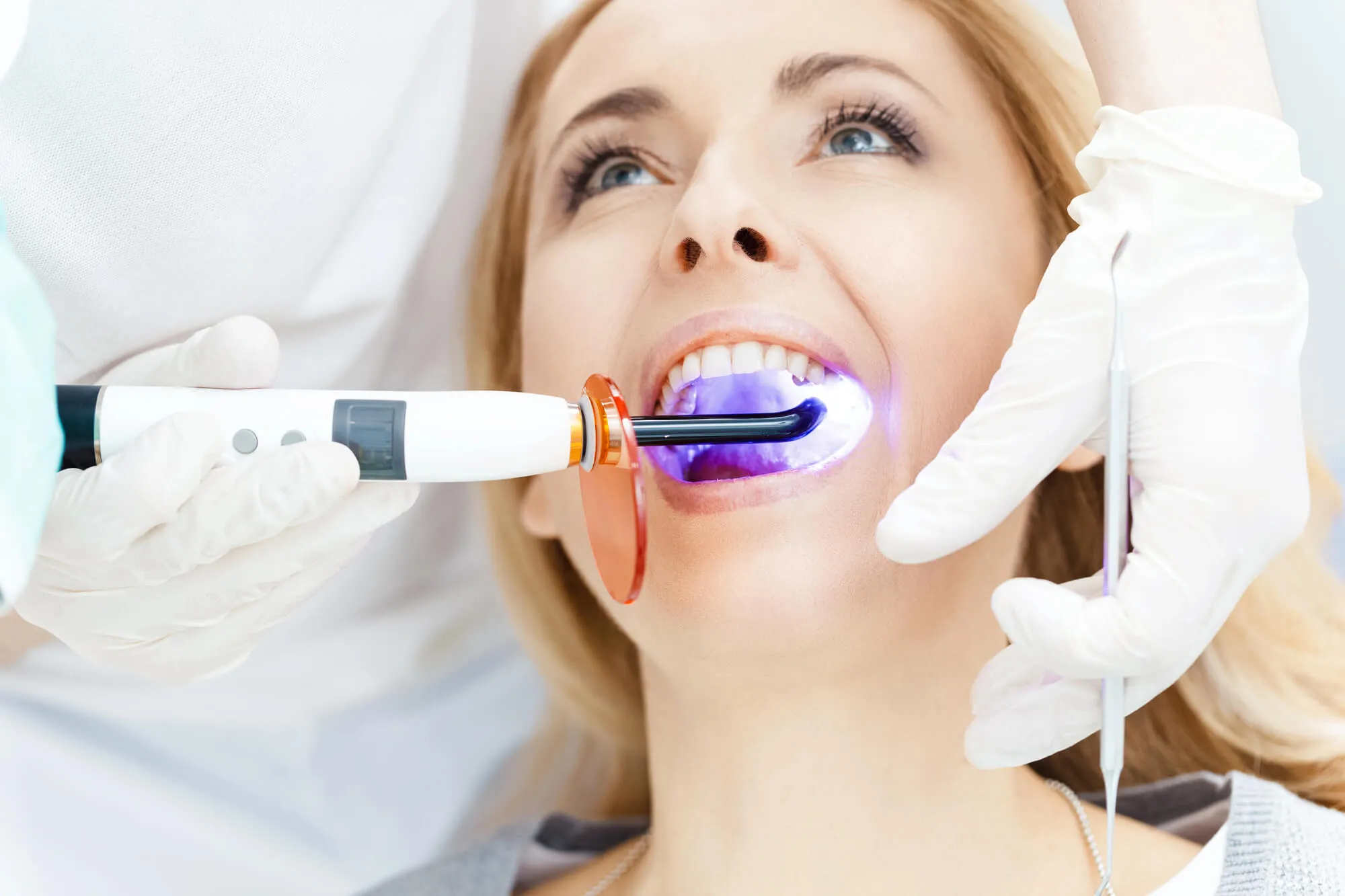
Professional whitening treatments are designed to provide controlled, even results. The process involves applying a whitening agent that penetrates the enamel and breaks down stain compounds.
Compared to over-the-counter products, in-office treatments:
- Use higher-strength whitening agents
- Allow for precise and even application
- Reduce the risk of uneven color
- Deliver faster, visible changes
Some patients notice improvement after one visit, while others benefit from multiple sessions, depending on the depth of staining. Mild sensitivity can occur afterward, though it typically fades within a short time.
Dental teams often provide guidance on managing sensitivity and maintaining results, helping patients feel more comfortable throughout the process.
Refresh Your Smile with Teeth Whitening in Walnut Creek
A brighter smile can enhance your teeth’s appearance while maintaining a natural look. At Coliseum Dental Walnut Creek, the team provides personalized care, taking the time to evaluate your teeth and recommend a treatment plan that aligns with your goals. You’ll be welcomed into a comfortable environment where your needs are heard, and your care is thoughtfully planned.
Contact us today to schedule your appointment and learn more about your options for teeth whitening.