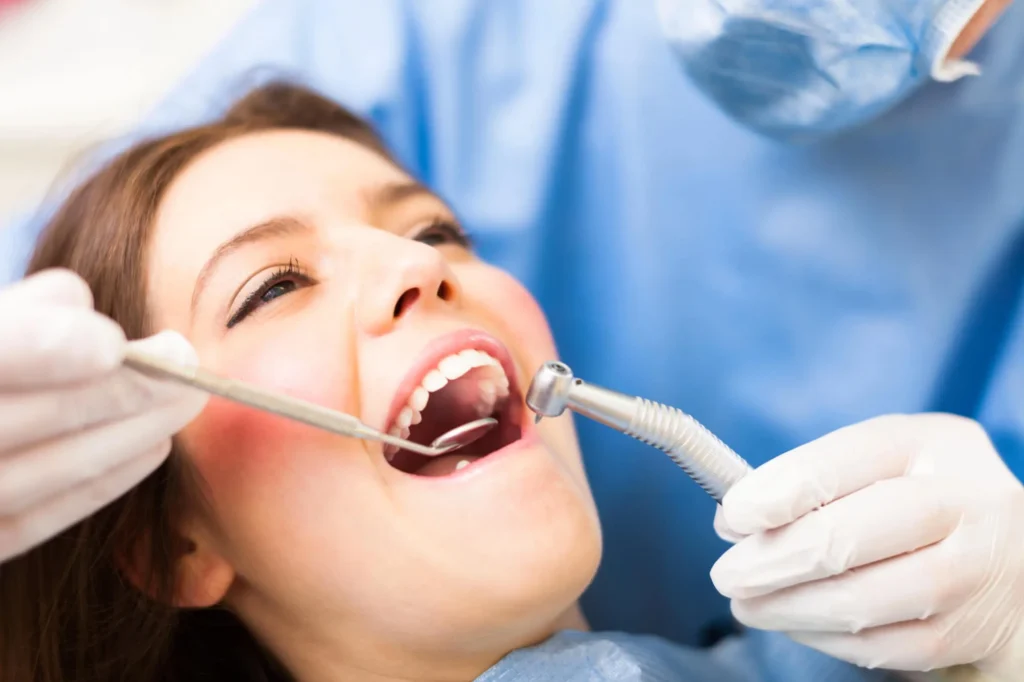
For a dental crown to feel comfortable during everyday activities like chewing and speaking, it also needs to fit properly within the bite. Even small changes in how teeth come together can feel surprisingly noticeable. Some people describe pressure while chewing, while others feel that one tooth touches before the rest.
Bite alignment influences comfort, jaw movement, and how well a dental crown in Walnut Creek functions over time. Understanding how dentists evaluate and adjust bite alignment can help patients feel more prepared for treatment and recovery.
What Bite Alignment Means
Bite alignment refers to how upper and lower teeth come together when the mouth closes. In a balanced bite, pressure is evenly distributed across the teeth rather than concentrated in one area.
How Teeth Work Together
Teeth are designed to work as a coordinated system. Each tooth supports biting, chewing, and jaw movement. When one area absorbs more force than intended, surrounding teeth and muscles may also be affected.
Why Alignment Matters After a Crown
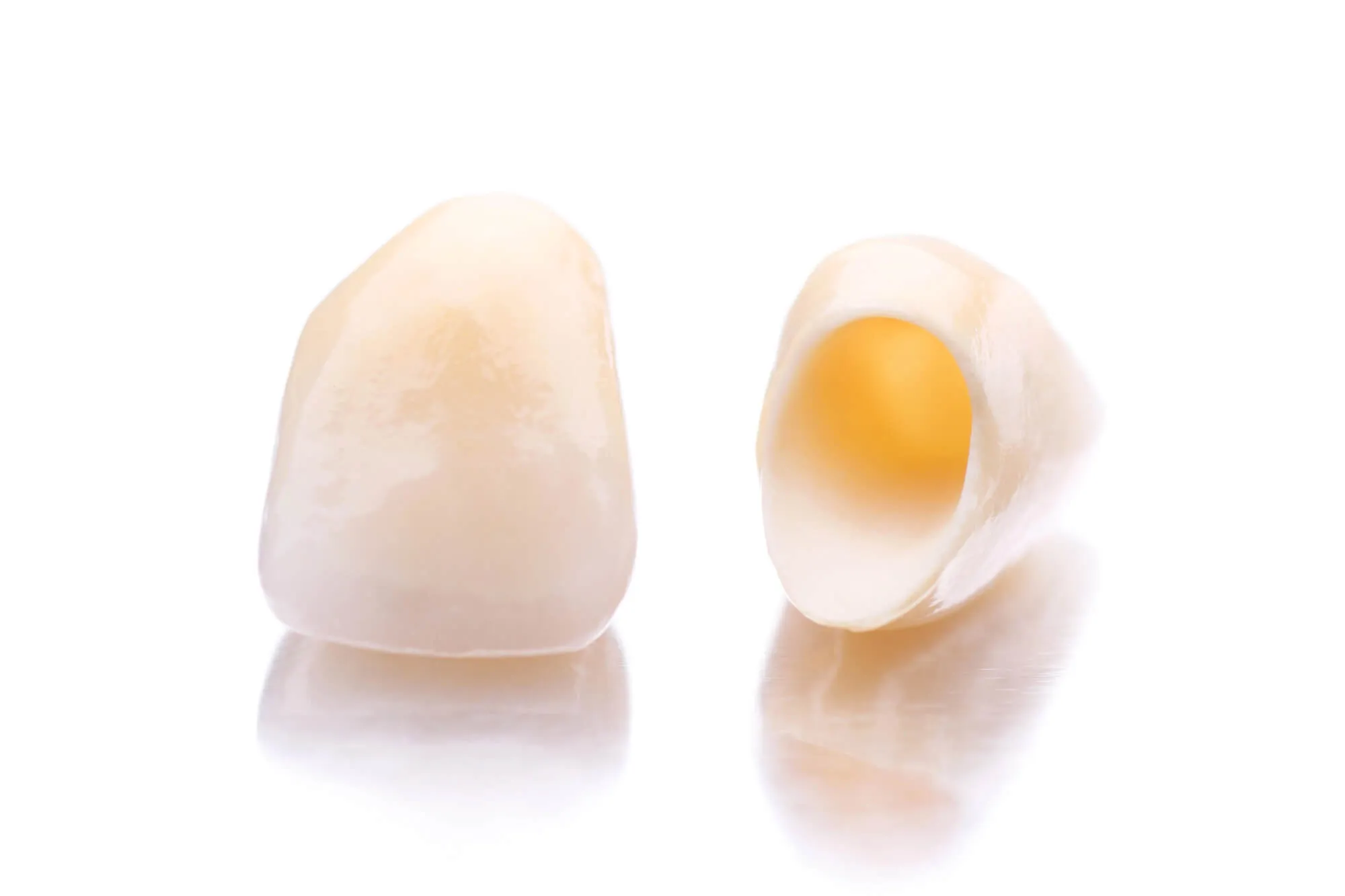
Dental crowns restore damaged or weakened teeth, though they also slightly change the shape and contour of the tooth being treated. Even small differences in height or surface shape can affect how teeth contact one another during chewing.
Because teeth are sensitive to pressure, patients often notice subtle bite differences quickly.
How Dental Crowns Affect Bite Alignment
Dental crowns are carefully shaped to match surrounding teeth, though proper fit involves more than appearance alone. Dentists evaluate how the crown functions within the entire bite.
Crowns Restore Structure
Crowns rebuild teeth affected by fractures, large fillings, wear, or root canal treatment. The restored tooth needs to support normal function while remaining comfortable during daily use.
Small Bite Changes Can Feel Noticeable
A crown that sits slightly too high may place extra pressure on one tooth. Patients sometimes describe this as the tooth “hitting first” while chewing. Others notice soreness, tension, or sensitivity.
Even a minor imbalance can feel noticeable because the mouth adapts closely to pressure distribution.
Signs Your Bite Alignment May Need Adjustment
Some awareness after a new crown is normal, though certain symptoms may suggest the bite needs to be evaluated.
Discomfort While Chewing
Pressure or soreness while biting may indicate an uneven distribution of force. This can happen if the crown contacts opposing teeth too early.
Jaw Fatigue or Tension
An imbalanced bite may place extra strain on jaw muscles. Patients sometimes notice tension near the jaw, temples, or cheeks after chewing.
Tooth Sensitivity
Excessive pressure on a crown can irritate the surrounding structures, leading to sensitivity when eating or drinking.
A Feeling That Teeth No Longer Fit Naturally
Patients often describe this sensation as something that feels “off,” even if they cannot identify exactly why. Small bite discrepancies can create this awareness.
Why Dentists Pay Close Attention to Bite Alignment
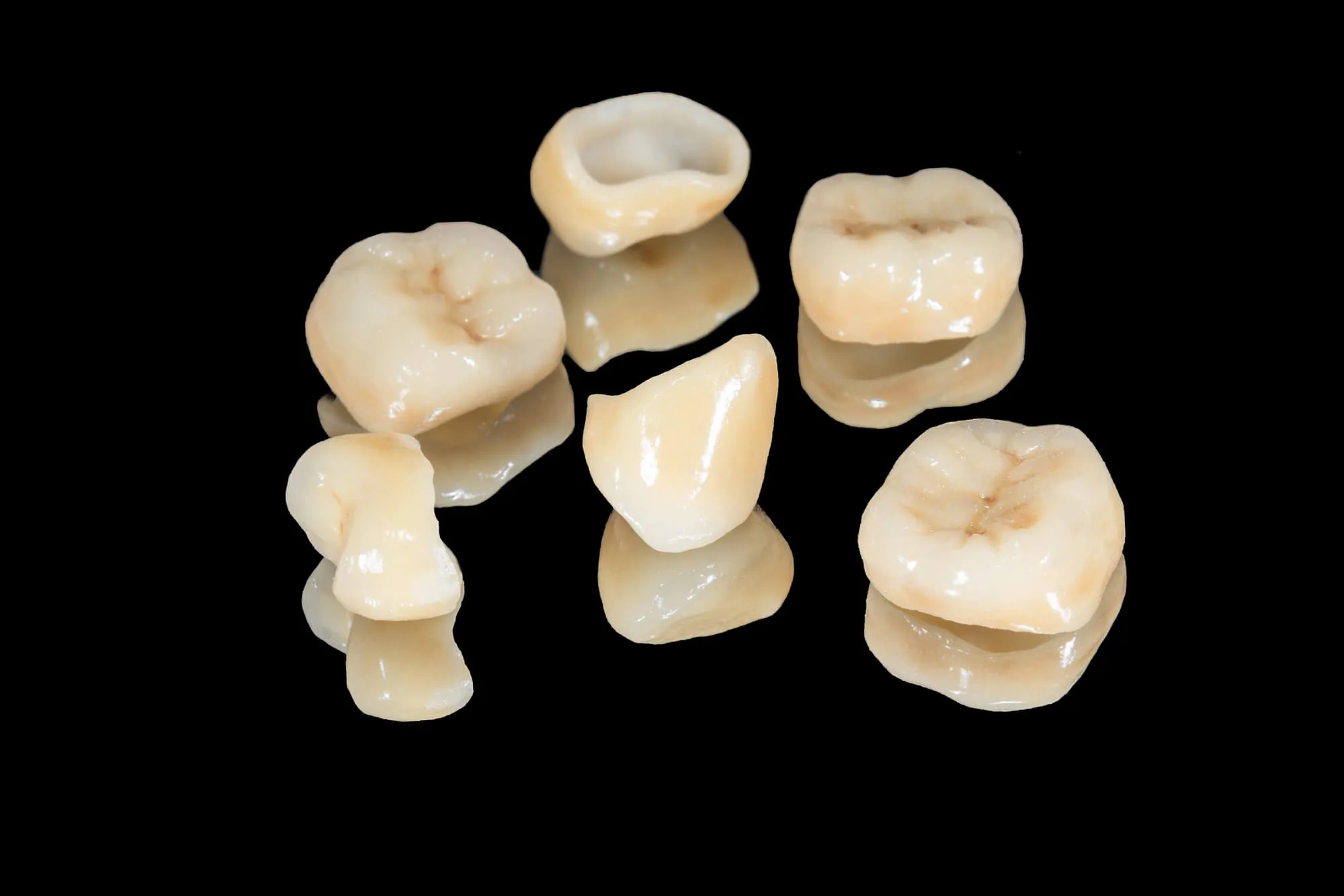
Dental crowns are designed to support both function and appearance. Bite alignment plays an important role in helping restorations feel stable and comfortable over time.
Balanced Pressure Supports Comfort
When force is distributed evenly, chewing feels smoother and more natural. Balanced pressure also reduces strain on surrounding teeth.
Proper Alignment Helps Protect the Crown
Crowns absorb forces during everyday activities such as eating and speaking. Uneven pressure may place extra stress on the restoration, increasing wear over time.
Jaw Function Depends on Bite Balance
The jaw works together with teeth, muscles, and joints. Bite imbalance may affect this coordination and contribute to tension during movement.
Can Grinding or Clenching Affect Dental Crowns?
Grinding and clenching place extra force on both natural teeth and restorations. This pressure may affect bite alignment and crown longevity over time.
Effects of Bruxism
Chronic grinding may contribute to:
- Wear on crown surfaces
- Jaw tension
- Tooth sensitivity
- Increased pressure on restorations
Protective Options
Dentists sometimes recommend custom night guards for patients who grind or clench during sleep. These appliances help reduce pressure and protect both crowns and natural teeth.
How Modern Dentistry at Coliseum Dental Walnut Creek Supports Crown Precision
CEREC® Same-Day Crowns
CEREC® technology allows dentists to design, create, and place custom dental crowns in a single visit. Using advanced digital imaging and in-office milling technology, crowns can be crafted with exceptional precision for a comfortable fit and natural appearance.
Same-day treatment also eliminates the need for temporary crowns and multiple appointments, making the process more efficient and convenient for patients.
Cone Beam CT Technology
Cone beam CT technology provides highly detailed 3D images of the teeth, roots, jawbone, and surrounding structures. This advanced imaging helps dentists evaluate bite alignment and tooth structure more accurately and plan crown treatment with greater precision.
FAQs About CEREC® Dental Crowns
How Long Does It Take to Get a CEREC® Crown?
One of the main advantages of CEREC® technology is that crowns can often be completed in a single appointment. Digital scans, crown design, fabrication, and placement are all performed in-office, allowing many patients to leave with their permanent restoration the very same day.
How Long Do CEREC® Crowns Last?
With proper care, CEREC® crowns can last many years. Their longevity depends on factors such as oral hygiene habits, bite pressure, and routine dental care. Regular brushing, flossing, and professional checkups can help support the long-term durability of your restoration.
Are CEREC® Crowns as Strong as Traditional Crowns?
Yes, CEREC® crowns are designed to be durable and functional for everyday chewing and biting. They are made from high-quality ceramic materials that closely resemble the appearance of natural teeth.
Need Guidance About Dental Crowns in Walnut Creek?
At Coliseum Dental Walnut Creek, care is centered around personalized attention, advanced dental technology, and a welcoming environment where patients feel comfortable asking questions about their treatment.
Voted one of America’s Top Dentists from 2006 to 2014, our team focuses on creating restorations that support function and appearance while helping every patient feel informed and at ease throughout the process.
If you have questions about a dental crown, bite discomfort, or changes in the way your teeth come together, you’re welcome to schedule a consultation today!