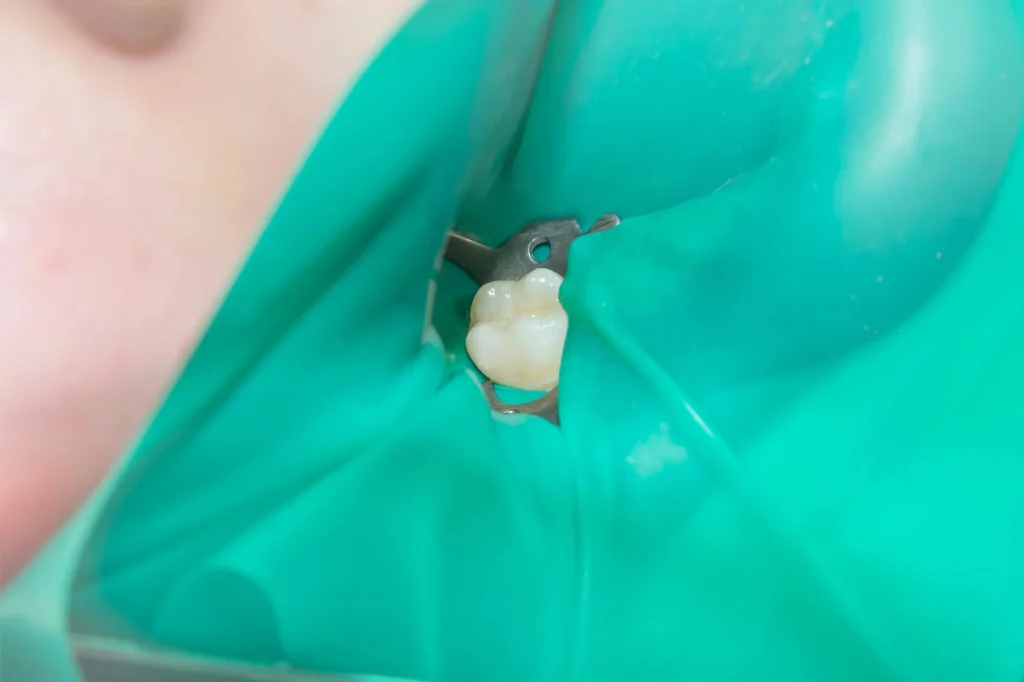
Many people delay dental fillings because they worry about discomfort or lingering sensitivity. Even patients who have had fillings before often wonder whether white fillings feel different from older metal ones. Dentists regularly hear questions such as, ‘Will the procedure hurt?’ Will my tooth feel sensitive afterward? How long does discomfort usually last?
These concerns are understandable, especially when it comes to dental care that directly affects daily activities, such as eating and speaking. Understanding what happens before, during, and after a white filling can help ease anxiety and allow patients to feel more prepared and confident about their appointment.
White fillings are widely used today, but every tooth responds a little differently. Our Walnut Creek Dentist explains what sensations are common, why sensitivity can occur, what factors influence comfort, and when it may be helpful to follow up with the dental office.

What Are White Fillings?
White fillings, also known as composite fillings, are made from a tooth-colored resin material designed to blend closely with natural enamel. Unlike traditional metal fillings, composite material bonds directly to the tooth. This bonding process allows the dentist to restore the affected area while preserving more of the surrounding tooth structure.
White fillings are commonly used for small to moderate cavities and are often preferred for teeth that are visible when smiling or speaking. Because the material adheres to the tooth, it can help support natural biting forces and everyday function. The placement process involves cleaning the cavity, applying the composite material in layers, and carefully shaping it to fit comfortably within the bite.
Since composite material behaves differently from metal and natural enamel, it is normal for the tooth to go through a short adjustment period after treatment.
Does Getting a White Filling Hurt During the Procedure?
What Patients Usually Feel During Treatment
During a white filling appointment, most patients report feeling pressure rather than pain. You may notice vibrations from dental instruments or hear unfamiliar sounds, which can feel more noticeable than the procedure itself. These sensations are temporary and vary depending on the location of the cavity and its depth of penetration into the tooth.
For many people, the most uncomfortable part of the visit is simply holding the mouth open for an extended period. Dentists routinely check in with patients during treatment to ensure they remain comfortable and can pause if needed.
The Role of Local Anesthetic
Local anesthetic is commonly used to numb the area around the tooth before the procedure begins. Once the area is numb, sharp pain should not be felt. Some patients still notice movement or pressure, which is normal and does not indicate a problem.
After the appointment, numbness typically fades within a few hours. As sensation returns, mild tenderness or awareness may develop around the treated tooth. Others notice very little change at all. These early sensations are part of the body’s normal response to dental work.
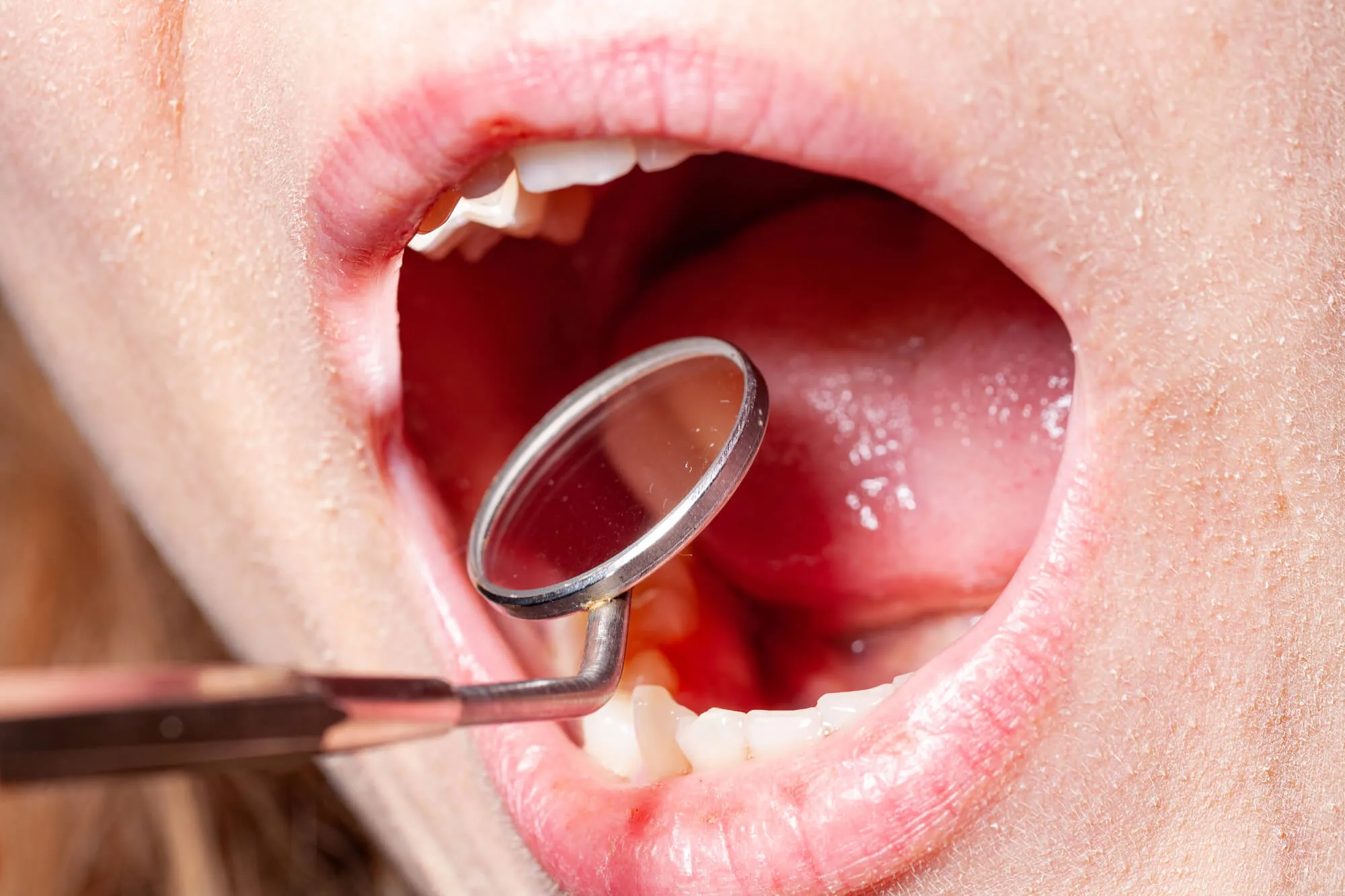
Is Sensitivity Normal After White Filling?
Short-Term Sensitivity to Temperature or Pressure
Sensitivity after a white filling is common, especially when the tooth is exposed to hot or cold temperatures or pressure while chewing. This happens because the tooth is adjusting to the new material and because the nerve inside the tooth may be temporarily irritated during the procedure.
Composite materials react to temperature changes differently than natural enamel, which can make sensitivity more noticeable initially. This response does not imply that there is something wrong with the filling. In most cases, the sensations are mild and gradually lessen as the tooth adapts.
How Long Sensitivity Usually Lasts
For many patients, sensitivity improves within a few days to a couple of weeks. Gradual improvement is a positive sign that the tooth is settling. Teeth that had deeper cavities or were closer to the nerve may take slightly longer to feel normal.
Sensitivity that steadily fades over time is generally expected. However, discomfort that remains the same or becomes more noticeable may need further evaluation.
Factors That Can Influence Pain or Sensitivity
Depth and Location of the Cavity
Fillings placed closer to the tooth’s nerve are more likely to cause sensitivity afterward. Deeper decay often requires more preparation, which can temporarily affect how the nerve responds to temperature and pressure. This does not mean the filling was placed incorrectly; it reflects how the tooth heals.
Bite Alignment After the Filling
If a filling sits slightly higher than the surrounding teeth, extra pressure during chewing can lead to discomfort. Even a minor imbalance may cause the tooth to feel sore or sensitive when biting down. Bite adjustments are sometimes needed to restore comfort and are a routine part of follow-up care.
Tooth Condition Before Treatment
Teeth with existing enamel wear, small cracks, or gum recession may be more sensitive after a filling. These conditions can expose areas of the tooth that respond more strongly to temperature or pressure, influencing how the tooth feels during the healing phase.
What Can Help Ease Sensitivity After a White Filling?
After receiving a white filling, minor adjustments to daily habits can support comfort while the tooth adapts:
- Choosing softer foods for a short time if chewing feels uncomfortable
- Avoiding extremely hot or cold drinks during the first few days
- Brushing gently with a soft-bristled toothbrush
- Using toothpaste formulated for sensitive teeth, if recommended
- Allowing time before chewing very hard or sticky foods on the treated side
These steps reduce stress on the tooth during the adjustment period. Patience plays a crucial role, as teeth often settle naturally once the surrounding tissues have adapted to the new filling.
When Pain or Sensitivity Should Be Checked
While mild sensitivity is common, certain signs may suggest that a follow-up visit is helpful:
- Pain that does not improve over time
- Sharp discomfort when biting or chewing
- Sensitivity that increases instead of fading
- A persistent feeling that the bite is uneven
In these situations, a dentist can evaluate the filling, make necessary adjustments, and rule out any other concerns. Early follow-up often restores comfort more quickly and prevents prolonged irritation.

Questions About White Fillings? Talk With a Walnut Creek Dentist
Concerns about pain or sensitivity are common, and it’s normal for teeth to respond differently after a filling. At Coliseum Dental Walnut Creek, our team takes the time to explain what patients may experience during the healing process and which sensations may require closer attention. Clear communication and careful evaluation help patients feel informed rather than uncertain.
For most people, white fillings are well-tolerated, and any sensitivity afterward is typically temporary. With thoughtful placement, bite checks, and follow-up when necessary, white fillings support everyday comfort and function while blending naturally with the surrounding teeth. If questions or concerns arise at any stage, schedule a consultation with us. Our team is here to guide you through what to expect.