A smile does not have to be perfectly uniform to be healthy or attractive. Still, stains, chips, uneven edges, gaps, or damaged teeth can make some people hesitant to smile in photographs, meetings, and everyday conversations. A thoughtful cosmetic treatment plan may help address those concerns while preserving oral health and creating a natural-looking result.
Choosing a cosmetic dentist in Walnut Creek, CA involves more than searching for the fastest way to brighten or reshape teeth. The right dentist should listen carefully, examine the health of the teeth and gums, explain reasonable options, and help the patient understand what each choice can and cannot accomplish.
This guide explains what cosmetic dentistry includes, what to expect during a consultation, and which questions can help patients make an informed decision.
Dental care should be personalized. A dentist must examine the teeth, gums, bite, and health history before recommending treatment. This article provides general education and does not replace professional dental advice.
What Does a Cosmetic Dentist Do?
Cosmetic dentistry focuses primarily on improving the appearance of the teeth and smile. Depending on the procedure, treatment may change tooth color, shape, size, spacing, alignment, or overall balance. Some procedures also have restorative benefits. For example, a crown can improve the appearance of a damaged tooth while providing structural coverage.
According to the Cleveland Clinic’s overview of cosmetic dentistry, common options include teeth whitening, dental bonding, veneers, tooth contouring, and gum contouring. The right choice depends on the concern being addressed, the condition of the mouth, and the patient’s priorities.
A cosmetic dentist should not look at appearance in isolation. Tooth decay, gum disease, bite problems, cracks, and other oral health concerns may need attention before elective cosmetic work begins. Building a beautiful smile on a healthy foundation can support comfort, function, and easier long-term maintenance.
Common Cosmetic Dentistry Options
No single procedure is ideal for every smile. A minor stain may call for a very different approach than a chipped, worn, or heavily restored tooth. During a consultation, the dentist can compare the advantages, limitations, maintenance requirements, and expected appearance of suitable options.
Professional Teeth Whitening
Professional whitening is designed to brighten natural tooth enamel. It may be considered when coffee, tea, tobacco, aging, or other factors have left teeth looking dull or discolored.
Whitening does not change the color of crowns, veneers, bonding, or fillings. That distinction matters when restorations are visible near the front of the mouth. A dentist can assess the type of discoloration and explain whether whitening is likely to produce an even result.
Porcelain Veneers
Veneers are thin restorations placed over the visible surfaces of selected teeth. They may be used to change the appearance of discoloration, chips, small gaps, irregular shapes, or mild alignment concerns.
Because veneers usually involve altering the teeth, patients should understand the preparation process and long-term maintenance before proceeding. A good consultation includes a discussion of whether a less extensive option, such as whitening or bonding, could meet the same goal.
Dental Bonding
Bonding uses tooth-colored material to reshape a tooth or disguise a small cosmetic concern. It may be considered for minor chips, gaps, uneven edges, or isolated areas of discoloration.
Bonding can be a conservative choice in certain situations, but the material may not have the same stain resistance or durability as porcelain. Bite forces, tooth position, habits, and the size of the repair all influence whether it is appropriate.
Dental Crowns
A crown covers the visible portion of a tooth. Dentists may recommend one when a tooth needs more support or coverage than bonding or a filling can provide. A carefully designed crown can restore shape and function while blending with surrounding teeth.
Coliseum Dental’s dental crown information explains how crowns may support damaged teeth while improving their appearance. Because placing a crown requires tooth preparation, the decision should be based on the tooth’s clinical needs rather than appearance alone.
A Coordinated Smile Makeover
A smile makeover is not one specific procedure. It is a personalized plan that may combine treatments in a logical order. For example, whitening might be completed before a crown or veneer is shade-matched. In another case, restoring a damaged tooth may take priority over changing the color of surrounding teeth.
The best plan is not necessarily the one with the most procedures. It is the one that addresses the patient’s goals without overlooking oral health, function, comfort, or maintenance.
What to Look for in a Cosmetic Dentist
Cosmetic dentistry combines clinical planning with close attention to proportion, color, texture, and facial harmony. Patients can evaluate a dentist more confidently by looking beyond promotional language and asking how treatment decisions are made.
A Health-First Evaluation
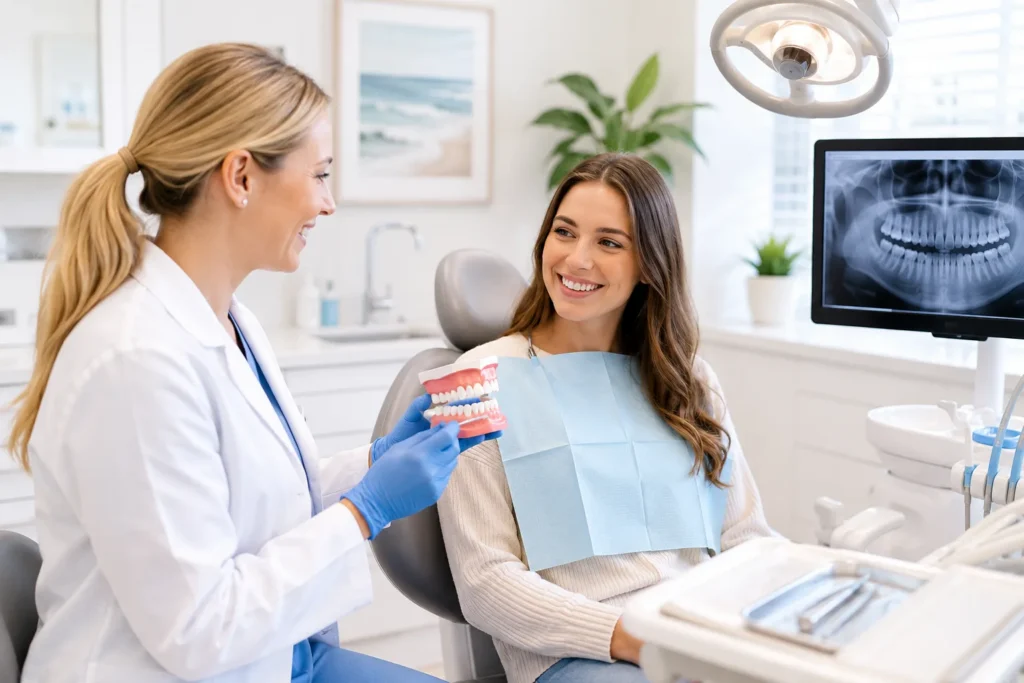
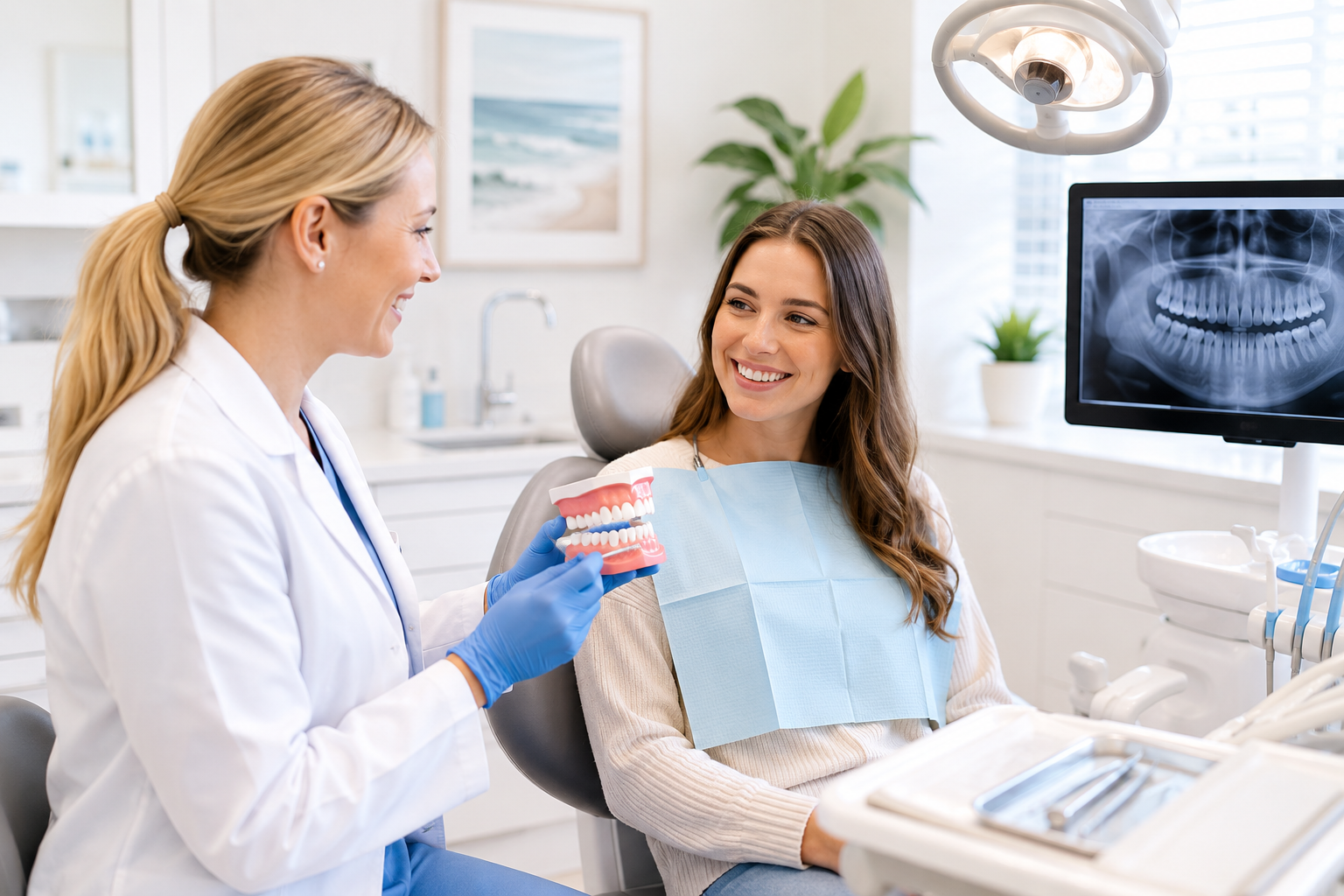
A thorough consultation should include a review of dental concerns and relevant health history, along with an examination of the teeth, gums, existing restorations, and bite. X-rays or other records may be recommended when needed for diagnosis or planning.
Patients should be cautious about beginning cosmetic treatment without first understanding the condition of their mouth. If active dental disease is present, the dentist can explain why addressing it first may lead to a safer and more predictable plan.
Natural-Looking, Personalized Planning
Cosmetic treatment should reflect the individual rather than copy a standard smile. Tooth shade, facial features, lip movement, tooth proportions, and personal preferences all influence the design.
Some patients want a bright, highly uniform appearance. Others prefer subtle improvements that retain natural variations. A skilled dentist will ask what the patient likes and dislikes instead of assuming that everyone wants the same result.
Clear Explanations and Realistic Expectations
A trustworthy dentist should explain the expected benefits and limitations of each option. Patients deserve to know whether treatment is reversible, whether natural tooth structure will be altered, what upkeep may be required, and what alternatives are available.
No responsible clinician can guarantee that a restoration will last for a particular number of years. Longevity varies with the material, procedure, oral hygiene, diet, bite forces, habits, and routine dental care. Even permanent changes to tooth structure do not mean that the resulting restoration will never need maintenance or replacement.
Attention to Comfort
Dental anxiety is common, and patients should feel comfortable mentioning it. A supportive dental team can explain each step, answer questions, provide breaks when appropriate, and discuss available comfort measures for the planned procedure.
Patients may also ask what sensations to expect during and after treatment. The answer depends on the procedure and the individual’s oral health, so personalized guidance is more useful than a broad promise that treatment will be entirely sensation-free.
Questions to Ask During a Cosmetic Consultation
Bringing a short list of questions can make a consultation more productive. Useful questions include:
- Is the concern purely cosmetic, or is there an underlying dental issue?
- Which treatment options are appropriate, and why?
- Is there a more conservative alternative?
- Will any healthy tooth structure need to be removed?
- How will the proposed shade and shape be selected?
- What maintenance will be needed at home and in the dental office?
- Could grinding, clenching, or the bite affect the result?
- What are the possible risks and limitations?
- How many appointments may be involved?
- What is included in the written cost estimate?
Photos showing the patient’s preferred smile characteristics can also help communicate goals. They should serve as inspiration rather than a template, since every person’s teeth, gums, bite, and facial proportions are different.
How to Prepare for a Cosmetic Dentistry Appointment
Before the visit, patients can identify their main concern and rank their priorities. Is the goal to brighten the smile, repair one visible tooth, improve symmetry, or explore a broader change? It is also helpful to note any sensitivity, discomfort, jaw symptoms, or changes in the gums, even if they seem unrelated to appearance.
Patients should bring an updated medication list and relevant dental records if requested. Those who have an upcoming wedding, graduation, professional event, or trip should share that information early. Some plans require more than one appointment, and appropriate timing depends on the treatment selected and the health of the mouth.
Cost discussions should occur before care begins. Cosmetic procedures are often treated differently from medically necessary or restorative services by dental benefit plans. A written estimate can clarify the recommended procedures, expected fees, and available payment arrangements without implying that insurance coverage is guaranteed.
Protecting a Cosmetic Dentistry Result
Long-term care starts with the same habits that protect natural teeth. Patients should brush with a dentist-recommended toothpaste, clean between the teeth, attend routine examinations and cleanings, and seek care if a restoration feels loose, rough, painful, or different when biting.
Habits also matter. Chewing ice, opening packages with the teeth, or biting hard objects can place unnecessary force on natural teeth and restorations. Patients who grind or clench should tell their dentist, who can evaluate the bite and discuss whether added protection is appropriate.
Whitening products and abrasive toothpastes should not be used indiscriminately after cosmetic treatment. They may affect natural teeth and restorative materials differently. The dental team can recommend products that fit the specific materials present in the mouth.
Frequently Asked Questions
Is cosmetic dentistry only about appearance?
Appearance is the primary focus, but some treatments overlap with restorative care. A crown, for example, may improve how a tooth looks while also covering a damaged tooth. The dentist should clarify which parts of a plan are cosmetic, restorative, or both.
Does a patient need healthy teeth before cosmetic treatment?
Cosmetic procedures generally require a stable oral health foundation. Decay, gum inflammation, infection, or significant bite concerns may need to be addressed first. An examination is necessary to determine the proper sequence of care.
Are veneers better than bonding?
Neither is automatically better. Bonding may be appropriate for certain small changes, while veneers may offer different aesthetic and material characteristics. The condition of the teeth, the size of the change, bite forces, budget, and willingness to alter tooth structure all affect the decision.
Will cosmetic dental work look natural?
Natural-looking results depend on planning, material selection, tooth preparation, shade, shape, texture, and how the work relates to surrounding teeth and facial features. Patients should clearly communicate whether they prefer a subtle enhancement or a more dramatic transformation.
How long does cosmetic dentistry last?
It depends on the procedure, material, oral hygiene, diet, habits, and bite. The Cleveland Clinic notes that different cosmetic treatments have different expected lifespans, but those ranges are general rather than guarantees. A dentist can provide more relevant expectations after evaluating the patient and proposed treatment.
How much does cosmetic dentistry cost in Walnut Creek?
Cost varies based on the procedure, number of teeth, materials, treatment complexity, and whether preliminary dental care is needed. An examination and personalized plan are usually required for an accurate estimate. Patients should ask what is included and whether future maintenance may involve additional costs.
Plan the Next Step With a Cosmetic Dentist in Walnut Creek, CA
A confident smile begins with a conversation, not a one-size-fits-all procedure. The right cosmetic dentist will take time to understand the patient’s goals, evaluate oral health, compare reasonable options, and create a plan that balances appearance with comfort and function.
Coliseum Dental offers cosmetic and restorative dental care for patients in Walnut Creek, CA. Those interested in whitening, veneers, crowns, or a personalized smile plan can visit the practice’s cosmetic dentistry page to learn more.
To discuss specific concerns, ask questions, or explore appropriate next steps, contact Coliseum Dental at its Walnut Creek, CA office to schedule a consultation. A clinical examination is the best way to determine which options may suit an individual smile.